
Protection Hub Launches Lucky Hills Gaming Venue Creates Security Dashboard for Canada
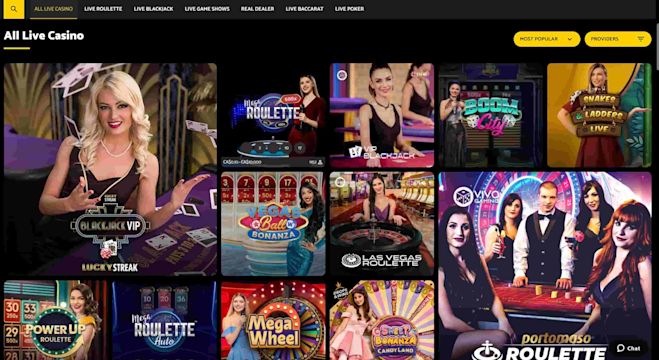
It’s fascinating how just as Lucky Hills Gaming Venue opens its doors, Security Central launches a Security Control Panel tailored specifically for its unique environment. By combining live data and artificial intelligence-powered analytics, this platform promises to reshape how security incidents are identified and handled. We need to reflect on how these innovations could impact both daily operations and overall safety—especially in a setting as lively as a gaming venue. The implications might be more significant than they first seem.
Summary of the Safety Dashboard Characteristics
The Security Control Panel serves as the central hub for monitoring safety across luckyhillscasino. It consolidates essential safety metrics into a streamlined user interface, allowing us to quickly evaluate the gaming venue’s security status. The control panel highlights transparency, presenting live alerts, incident logs, and zone-specific risk assessments with precision. Its intuitive user interface facilitates role-based views, guaranteeing that team members access pertinent data effectively. We’ve included adaptable widgets that display key performance indicators such as breach frequency and response times, improving situational awareness. The design prioritizes actionable insights over raw data, facilitating faster decision-making. Every component—from color-coded risk levels to interactive charts—has been carefully crafted to optimize operational oversight, making the Safety Dashboard an essential tool for mastering gaming venue security management.
Real-Time Data Incorporation and Analytics
We rely on real-time data integration to monitor threats as they occur, ensuring rapid response. By analyzing live information streams, we gain actionable security insights that guide decision-making. Let’s examine how this dynamic approach improves overall gaming venue security.
Live Threat Surveillance
Effective live threat monitoring hinges on real-time data integration and analytics that enable us to rapidly identify and assess potential risks within the Lucky Hills Casino environment. By continuously aggregating inputs from advanced surveillance systems, we enhance threat detection exactness and response times. Our platform fuses video feeds, access logs, and sensor alerts into a centralized dashboard, allowing security teams to pinpoint anomalies instantly. We apply machine learning algorithms to detect behavioral patterns indicative of potential security breaches, minimizing false positives while prioritizing genuine threats. This dynamic approach guarantees live threat monitoring is not merely responsive but predictive, empowering us to maintain a secure atmosphere. Ultimately, integrating diverse data streams with robust analytics refines situational awareness, making threat detection both thorough and precise in real time.
Data-Driven Safety Insights
Although real-time data integration provides a continuous stream of information, our focus lies in transforming this data into actionable safety insights that enhance decision-making at Lucky Hills Casino. By employing advanced analytics, we synthesize diverse data streams into coherent risk assessments, identifying patterns that signal potential threats. Our safety dashboard leverages sophisticated data visualization techniques to present these insights intuitively, enabling security teams to quickly interpret complex metrics and prioritize responses. This precise integration of analytics allows us to move beyond reactive measures, anticipating vulnerabilities through predictive modeling. Ultimately, these data-driven safety insights optimize resource allocation and operational efficiency, reinforcing the casino’s security posture. We’re committed to refining this analytical framework, ensuring that our safety decisions are both timely and evidence-based in an evolving risk landscape.
Enhancing Incident Management and Response
We’ll explore how real-time incident tracking sharpens our ability to monitor security incidents as they happen, reducing response times. By integrating this with streamlined emergency coordination, we can guarantee resources are deployed efficiently and effectively. Let’s examine how these capabilities strengthen our overall event management process.
Real-Time Incident Tracking
When incidents occur, having immediate access to real-time data can dramatically improve our ability to manage and respond effectively. In the Lucky Hills Casino Safety Dashboard, real-time event tracking integrates precise event reporting tools that enable us to capture, analyze, and communicate incidents instantaneously. This continuous data flow allows us to identify emerging safety trends within the casino environment swiftly. By pinpointing patterns as they develop, we can allocate resources proactively and adjust protocols dynamically. The dashboard’s analytics provide us with actionable insights, transforming raw event data into strategic intelligence. This close loop between incident reporting and trend analysis enhances situational awareness, reducing response times and optimizing intervention strategies. Ultimately, our approach guarantees that safety management evolves from reactive to anticipatory, bolstering overall security and operational resilience.
Streamlined Emergency Coordination
Building on our capability to track incidents in real time, simplifying emergency coordination is the next step to ensuring swift, organized responses. We’ve addressed coordination obstacles by integrating varied-source data into a centralized dashboard, decreasing delays and miscommunication. This allows emergency response teams to flexibly allocate resources and update teams promptly. Automated alert systems prioritize incidents based on severity, stopping response overlap and improving situational awareness. Our approach focuses on interoperability between security personnel, first responders, and management, creating a cohesive incident command structure. By uniforming communication protocols and leveraging real-time analytics, we diminish human error and improve decision-making speed. Ultimately, this improved emergency coordination framework transforms incident management from reactive to preemptive, maximizing safety outcomes for Lucky Hills Casino and establishing a benchmark for Canadian security operations.
Impact on Guest and Staff Safety
Although security measures are often seen as routine, their direct impact on both patrons and staff at Lucky Hills Casino is significant and quantifiable. By systematically integrating real-time data, we enhance patron safety through proactive risk identification and swift incident response. This approach reduces hazards before escalation, directly reducing injury rates and boosting overall customer confidence. Simultaneously, staff wellbeing benefits from clear communication protocols and access to immediate support resources, fostering a secure work environment. The dashboard’s transparent analytics empower management to make informed decisions, tailoring interventions to evolving threat patterns. Ultimately, this dual focus not only safeguards individuals but also builds trust and operational resilience. Our commitment to quantifiable safety improvements exemplifies how targeted measures enhance both patron safety and staff wellbeing in a intricate, ever-changing setting.
Technological Innovations Behind the Dashboard
The measurable advancements in protection at Lucky Hills Casino derive straight from the advanced systems fueling our Safety Dashboard. Crucial to this are AI systems that examine extensive quantities of instantaneous data, detecting models and irregularities with unmatched exactness. These algorithms incessantly adapt from occurrence documents and behavioral signals, boosting predictive capacities. Complementing this is advanced security automation, which streamlines reaction procedures by combining monitoring systems, admittance controls, and notification mechanisms. This automation minimizes personnel error and promotes quick response during possible risks. Together, AI and security robotization deliver a comprehensive, analytics-focused structure enabling us to track dangers adaptively. By utilizing these technical developments, we offer anticipatory, intelligent security oversight tailored to the complicated environment of a lively casino, setting new sector criteria in protection and effectiveness.
Future Advancements for Casino Protection in Canada
As we look ahead, developments in casino safety across Canada will progressively depend on integrating advanced technologies such as biometric identification, enhanced AI-driven anticipatory data, and instantaneous information exchange among safety organizations. Adopting AI progress will enable proactive risk detection and irregularity identification with greater exactness. Simultaneously, evolving regulatory regulations will determine how metrics privacy and ethical AI use are enforced, securing conformity without weakening safety efficiency. Key future emphasis areas consist of:

- Implementing multi-layered physiological frameworks to identify guests and staff reliably.
- Leveraging AI to forecast and stop dishonest behaviors before they escalate.
- Establishing standardized procedures for inter-agency data sharing while adhering to strict policy criteria.
Conclusion
As we roll out the Safety Dashboard across Lucky Hills Casino, it’s no coincidence that increased vigilance and quicker reactions go hand in hand. By uniting real-time alerts with artificial intelligence insights, we’re not only identifying threats but predicting them before they escalate. This collaboration shapes a safer space for everyone inside. Together, we’re setting a new standard in casino security—one where innovation and collaboration create a unified defense for patrons and staff alike.